BECOMING PAULA.
London Berlin Worpswede Paris
150 Jahre Paula Modersohn-Becker
8. Februar – 13. September 2026
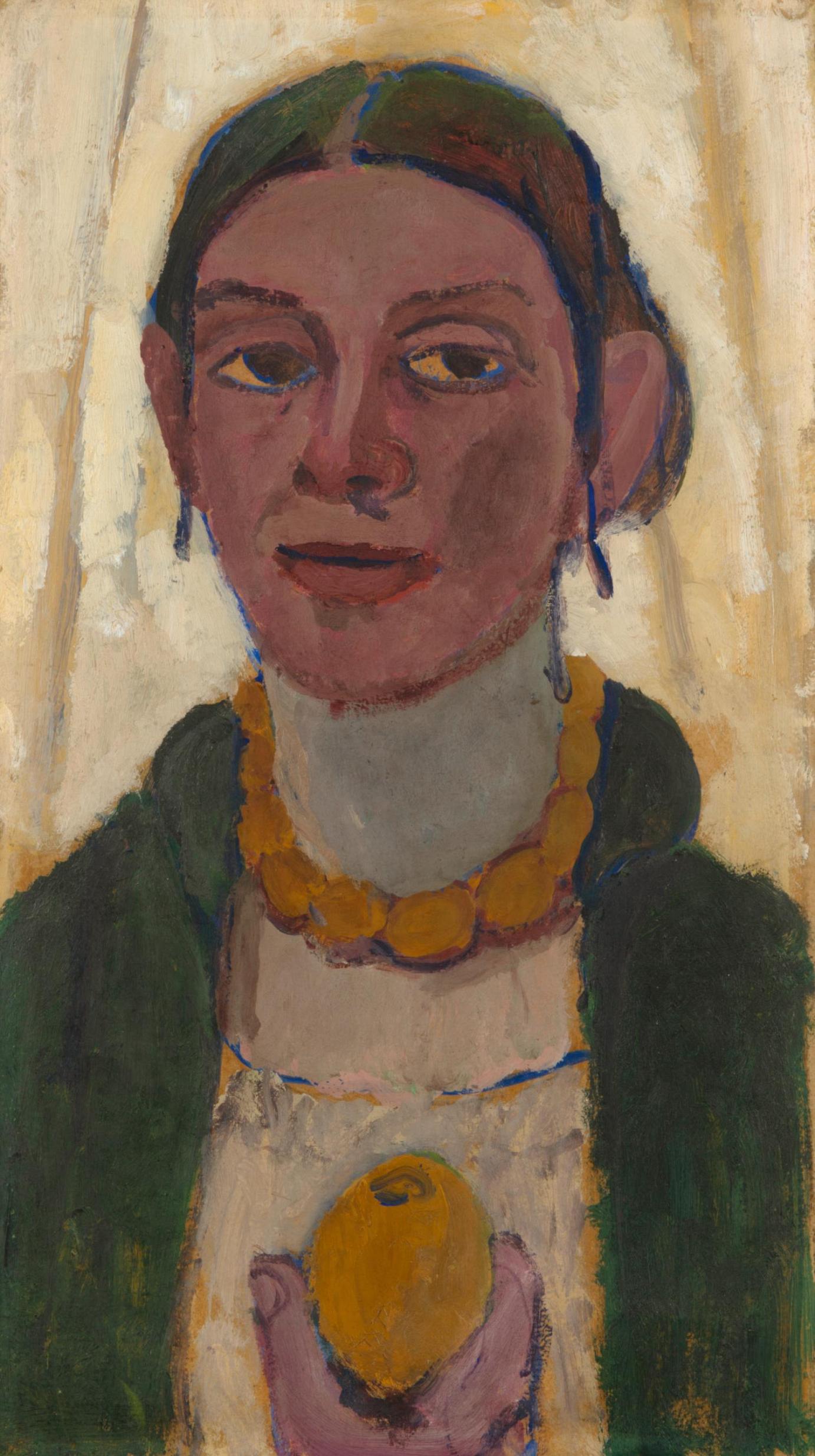
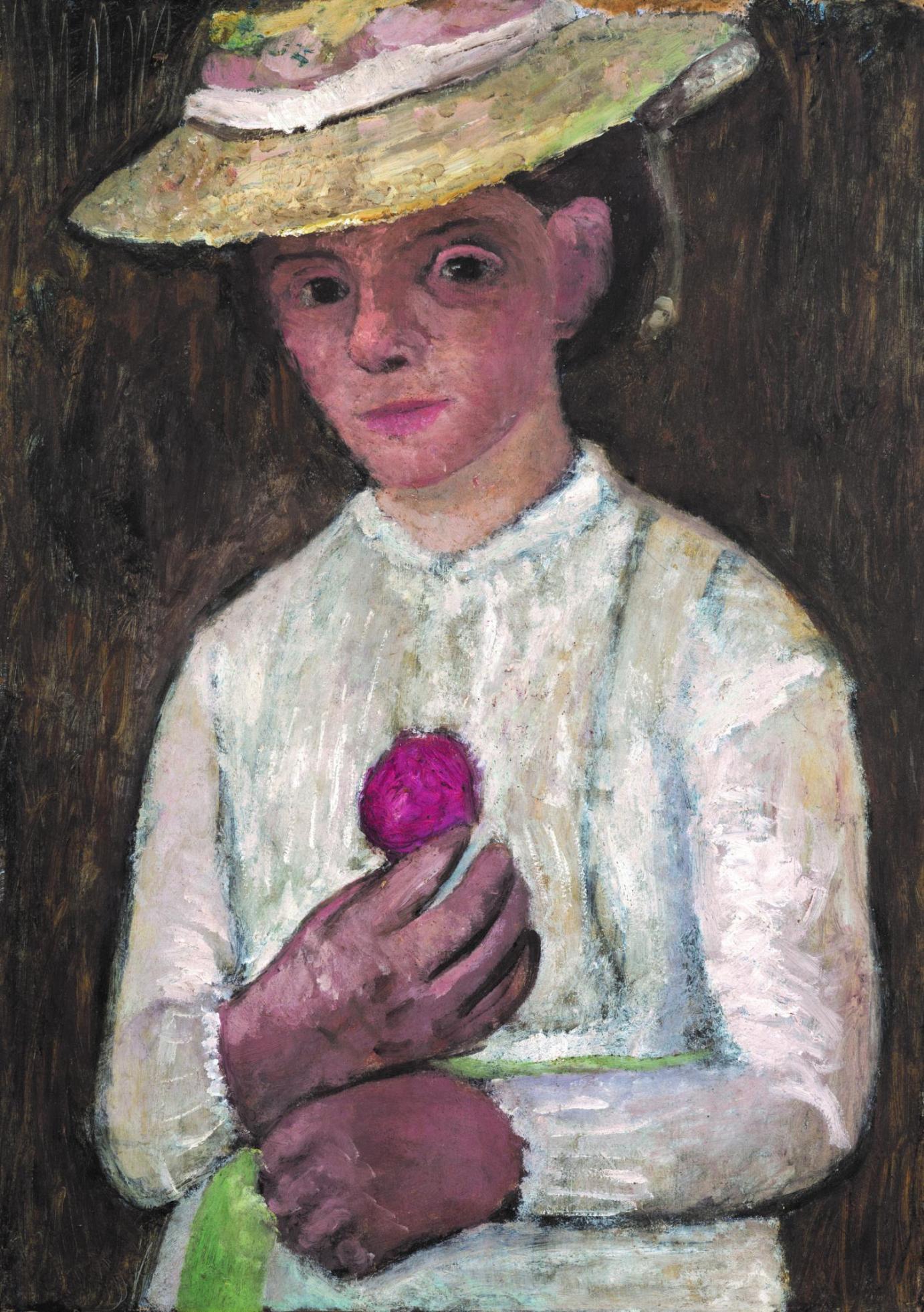
Wie wurde aus Paula Becker die Künstlerin Paula Modersohn-Becker - und letztlich die Kunstfigur "Paula" eine Projektionsfläche, die in Literatur, Film und Kunst breit rezipiert wird? Mit rund 70 Gemälden und Papierarbeiten aus Museumssammlungen, der Paula-Modersohn-Becker-Stiftung und Privatbesitz bietet die Ausstellung BECOMING PAULA einen seltenen Einblick in die Facetten dieser einzigartigen Künstlerinnenbiografie. Sie folgt der Malerin entlang ihrer wichtigsten Studienorte und zeigt, wie sie schon in ihrer Ausbildung ihren eigenen, freien und selbstständigen künstlerischen Weg ging.
Paula Modersohn-Becker ist heute weltberühmt und wird gefeiert als "Pionierin der Moderne" als "Deutschlands Picasso" (FAZ 2007) und "trailblazing artist"/"wegweisende Künstlerin" (The New York Times 2024). Doch wie kam es dazu, dass diese junge Frau, 1876 in dresden geboren und zu Beginn des 20. jahrhunderts in Bremen, London, Berlin, Worpswede und vor allem Paris künstlerisch sozialisiert, eine der international erfolgreichsten Malerinnen des 20. Jahrhunderts werden konnte? Die Ausstellung BECOMING PAULA geht dieser Frage nach und zeigt wie aus Paula Becker die Künstlerin Paula Modersohn-Becker wurde und letztlich die Kunstfigur "Paula". Dafür erläutert die Ausstellung Paula Modersohn-Beckers persönliches und professionelles Netzwerk mit Porträts u.a. von Clara Rilke-Westhoff, Rainer Maria Rilke, Martha Vogeler, Lee Hoetger oder der Schwester Herma. Ein weiterer Raum zeigt Studienarbeiten und frühe Werke, entstanden in London und Berlin zwischen 1892 und 1899. Das kaum bekannte und gewürdigte Frühwerk ist eine Entdeckung: So hat man Paula Modersohn-Becker bislang nicht gesehen. Dank Leihgaben aus verschiedenen Privatsammlungen kann erstmals eindrücklich ihre eigenständige künstlerische Entwicklung veranschaulicht werden, die sich parallel zu ihrer Ausbildung vollzog.
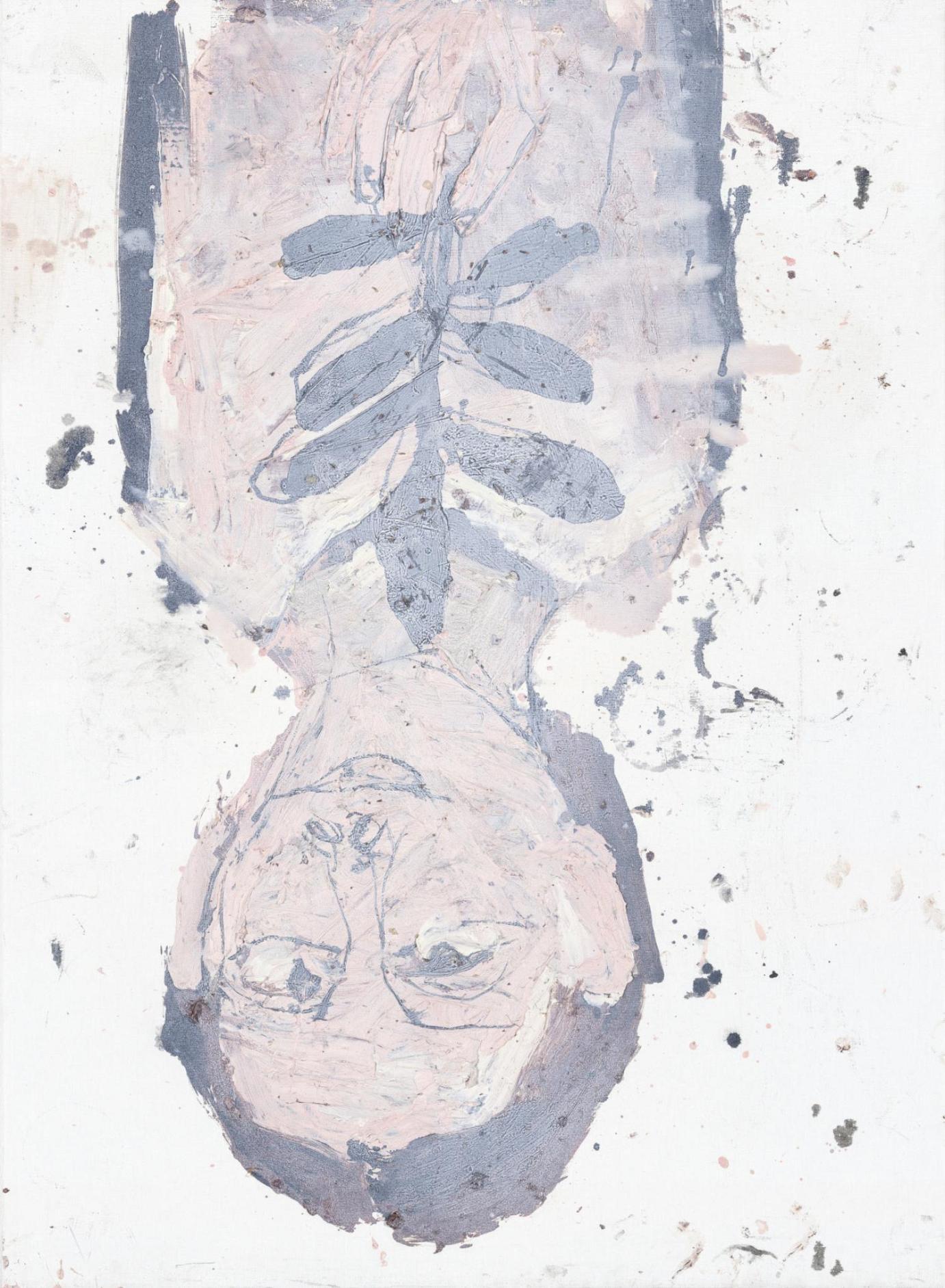
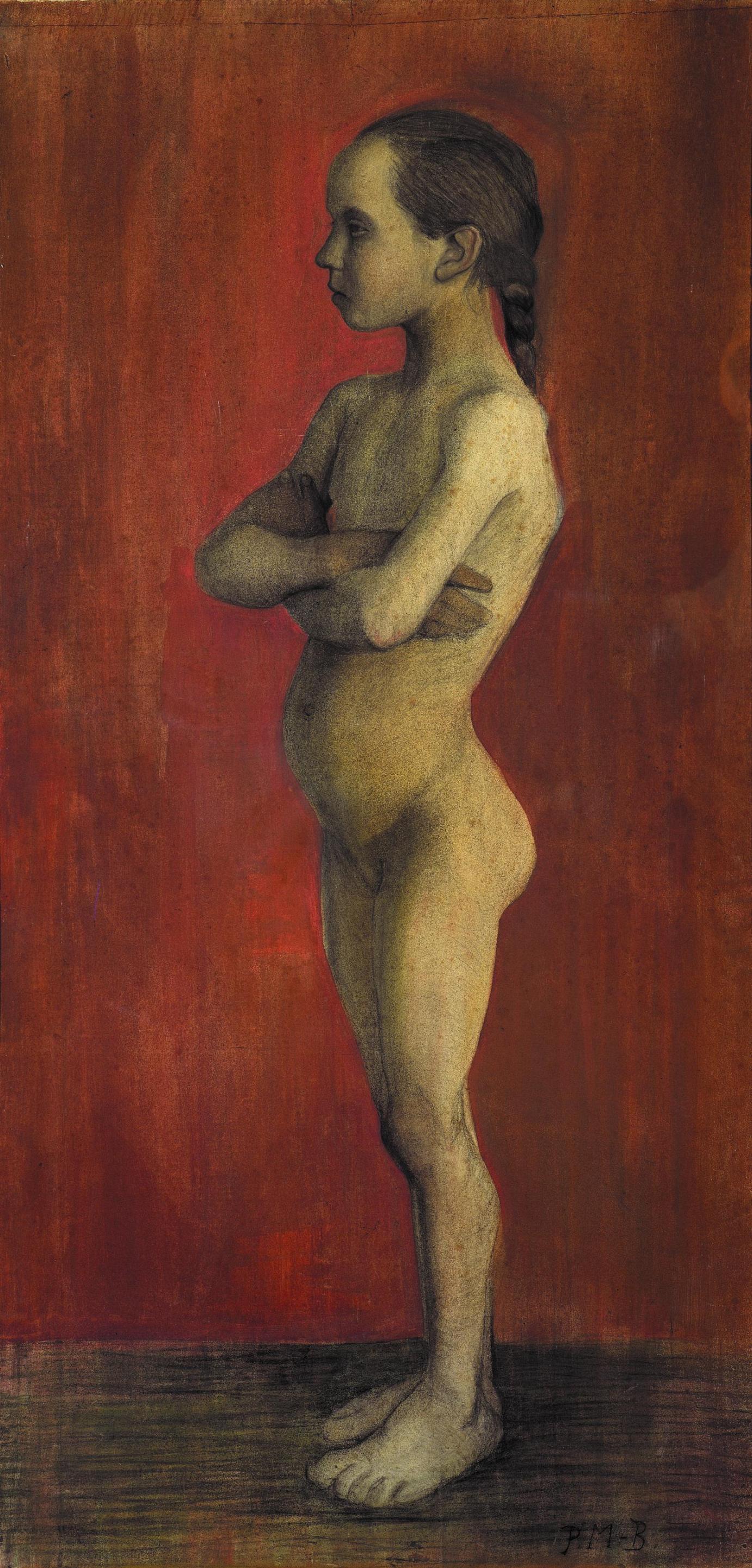
Die Ausstellung folgt der Künstlerin nach Worpswede, wo der Akt zum zentralen Bildthema wird, das sie bis zu ihrem frühen Tod weiter beschäftigen wird. Sie gelangt dabei zu ungewöhnlichen und direkten Bildfindungen, die ihresgleichen in der Kunstgeschichte suchen. Dann geht die Reise weiter nach Paris. Mit ihrem heute berühmten Bildern von 1906/07 wird sie ein Teil der damaligen Pariser Avantgarde. Paula Modersohn-Becker war sich der Bedeutung der Werke durchaus bewusst. Auf einem Briefkuvert skizzierte sie ihr Pariser Atelier, an dessen Wänden drei heute als Hauptwerke geltenden Bilder hängen, die in einer Rekonstruktion des Zimmers gezeigt werden. Wie prägend die Kunst von Paula Modersohn-Becker für Künstlerinnen und Künstler im 20. und 21. Jahrhundert werden sollte, veranschaulichen Werke von Georg Baselitz bis Chantal Joffe: Die Faszination der Kunst Paula Modersohn-Beckers ist ungebrochen.
EN
BECOMING PAULA.
London Berlin Worpswede Paris
150 years of Paula Modersohn-Becker
8 February – 13 September 2026
How did Paula Becker become the artist Paula Modersohn-Becker – and ultimately the artistic character “Paula”, serving as a projection figure widely received in literature, film and art? With around 70 paintings and works on paper from museum collections, the Paula Modersohn-Becker Foundation and private collections, the exhibition BECOMING PAULA offers a rare insight into the facets of this unique artist's biography. It follows the painter along her most important places of study and shows how she pursued her own free and independent artistic path even during her education.
Paula Modersohn-Becker is now world-famous and celebrated as a “pioneer of modernism”, “Germany's Picasso” (FAZ 2007) and a “trailblazing artist” (The New York Times 2024). But how did this young woman, born in Dresden in 1876 and artistically socialised in Bremen, London, Berlin, Worpswede and above all Paris at the beginning of the 20th century, become one of the most internationally successful painters of the 20th century? The exhibition BECOMING PAULA explores this question and shows how Paula Becker became the artist Paula Modersohn-Becker and ultimately the artistic character “Paula”. For this purpose, the exhibition illustrates Paula Modersohn-Becker's personal and professional network with portraits of Clara Rilke-Westhoff, Rainer Maria Rilke, Martha Vogeler, Lee Hoetger and Paula Modersohn-Becker’s sister Herma, among others. Another room displays student works and early pieces created in London and Berlin between 1892 and 1899. These little-known and underappreciated early works are a discovery: they reveal a side of Paula Modersohn-Becker that has not been seen before. Thanks to loans from various private collections, her independent artistic development, which took place parallel to her education, can be impressively illustrated for the first time.
The exhibition follows the artist to Worpswede, where the nude becomes a central theme of her work, which she will continue to explore until her early death. In doing so, she displays unusual and direct visual concepts that are unparalleled in art history. The journey then continues to Paris. With her now famous paintings from 1906/07, she became part of the Parisian avant-garde of the time. Paula Modersohn-Becker was quite aware of the significance of her works. On an envelope, she sketched her Paris studio, on the walls of which hang three paintings that are now considered major works, which are shown in a reconstruction of the room. Works by artists ranging from Georg Baselitz to Chantal Joffe illustrate how influential Paula Modersohn-Becker's art became for artists in the 20th and 21st centuries: the fascination for Paula Modersohn-Becker's art remains unbroken.